
Laying new turf is one of the fastest ways to transform a yard, but the long-term success of a lawn depends on more than just rolling out fresh grass. In Australia’s varied climate, from hot summers to unpredictable rainfall, turf needs the right preparation and aftercare to establish properly. Unfortunately, many lawns struggle or fail because of avoidable mistakes made during installation.
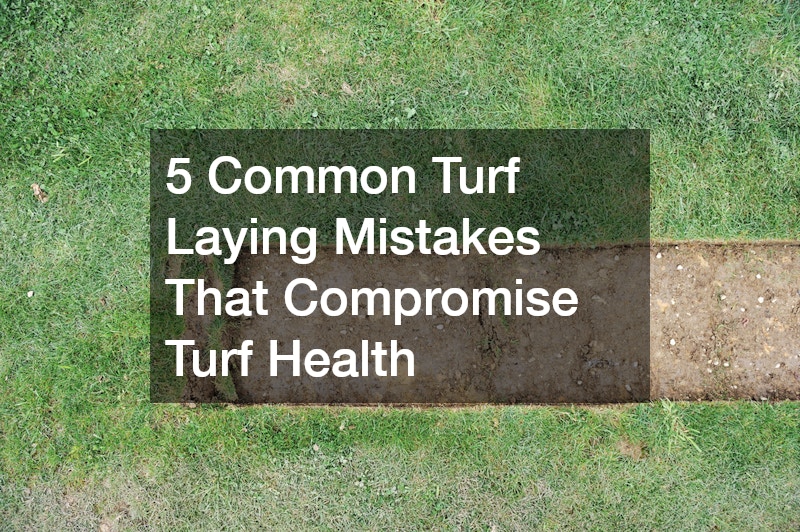
Understanding the most common turf laying mistakes can help you protect your investment and ensure your lawn stays healthy, dense and resilient for years to come. Below are five issues that frequently compromise turf health and what you can do to avoid them.
1. Poor Soil Preparation
One of the most damaging mistakes is laying turf on poorly prepared soil. Turf relies on good contact with the soil beneath it to establish strong roots, and if that foundation is weak, the lawn will never reach its full potential.
Common soil preparation issues include compacted ground, uneven surfaces, and soil that lacks nutrients. Hard or compacted soil restricts root growth and limits water penetration, while uneven ground can cause pooling or dry patches.
Before turf is laid, the area should be cleared of weeds, rocks and debris, then loosened to a suitable depth. Adding quality topsoil and levelling the surface creates a consistent base that supports even growth. Skipping this step may save time upfront, but it often leads to thinning grass, drainage problems and ongoing maintenance issues.
2. Laying Turf on Dry or Inappropriate Soil
Another frequent error is installing turf on soil that is too dry or unsuitable for the grass variety being used. Turf needs moisture from the moment it is laid to begin root establishment. If the soil underneath is dry, roots can struggle to bond, leading to stress and poor growth.
In some cases, the wrong soil type is used altogether. Sandy soils drain quickly and may require additional organic matter, while clay-heavy soils can retain too much water and restrict airflow to roots. Both extremes can negatively impact turf health if not addressed before installation.
Moistening the soil prior to laying turf helps encourage immediate root contact. Matching soil composition to the chosen turf variety also improves resilience, particularly in Australia’s warmer regions where heat stress is common.
3. Incorrect Turf Installation Timing
Timing plays a significant role in turf success, yet it’s often overlooked. Laying turf during extreme heat, cold snaps or prolonged dry periods can place unnecessary stress on new grass.
In many parts of Australia, late spring and early autumn provide ideal conditions, with moderate temperatures and more consistent moisture. Laying turf in the peak of summer can increase water demands and risk heat damage, while winter installations may slow root development.
Another timing-related issue is leaving turf rolls sitting too long before installation. Turf is a living product and begins to deteriorate quickly once harvested. Delays can lead to yellowing, weakened roots and reduced establishment once laid.
Planning installation carefully and laying turf as soon as possible after delivery helps protect turf health from the outset.
4. Inadequate Watering After Installation
Watering mistakes are one of the leading causes of turf failure. Many people either overwater or underwater their new lawn, both of which can compromise root development.
Immediately after installation, turf needs frequent, light watering to keep both the grass and the soil beneath consistently moist. If the turf dries out during this critical period, roots may fail to anchor properly. On the other hand, excessive watering can lead to shallow root systems and increase the risk of fungal issues.
As the turf establishes, watering should gradually become less frequent but deeper, encouraging roots to grow downward. Adjusting watering schedules based on weather conditions is especially important in Australia, where rainfall and temperatures can vary significantly from week to week.
5. Walking on Turf Too Soon
It’s tempting to enjoy a new lawn straight away, but walking on turf too early is a common mistake that can cause lasting damage. Newly laid turf is vulnerable until roots have firmly bonded with the soil.
Foot traffic during the early establishment phase can create depressions, shift turf sections and disrupt root growth. This often leads to uneven surfaces and weakened areas that struggle to recover.
In most cases, turf should be left undisturbed for at least two to three weeks, depending on weather and grass variety. Allowing adequate time for establishment helps ensure a stronger, more durable lawn that can handle regular use once fully rooted.
Avoiding these common turf laying mistakes can make a significant difference to the overall health and appearance of your lawn. By taking the right steps during installation, you give your turf the best chance to thrive in Australia’s unique conditions. Whether you’re refreshing a backyard, completing a new build or upgrading outdoor spaces, attention to detail during turf installation is an investment that pays off well beyond the first few weeks.