
Choosing the right window coverings can make a significant difference to the comfort, privacy and appearance of your home. With so many styles, materials and designs available, it can be difficult to know which option will best suit each room. The right choice depends on factors such as natural light, insulation, privacy, maintenance and your interior design preferences.
Whether you are updating one room or replacing coverings throughout your home, understanding the main options can help you make a practical decision.
Consider the Amount of Natural Light
One of the first things to consider is how much sunlight enters each room. Some spaces benefit from plenty of natural light, while others may become uncomfortably bright or warm during the day.
Roller shades are a versatile option because they are available in materials that allow different amounts of light through. Blockout fabrics can be particularly useful in bedrooms, nurseries or media rooms where reducing incoming light is important. Light-filtering options may be better suited to living areas where you still want a bright, welcoming atmosphere.
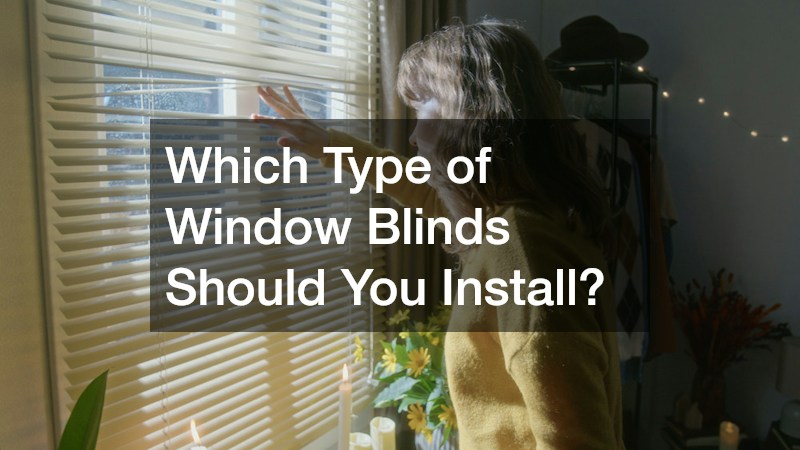
Venetian blinds can also provide flexible light control. By adjusting the angle of the slats, you can direct sunlight while maintaining a degree of privacy.
Think About Privacy
Privacy is another important consideration, particularly for bedrooms, bathrooms and rooms that face the street or neighbouring properties. Window coverings can help prevent people outside from seeing into your home while still allowing you to control natural light.
Vertical blinds can work well for larger windows and sliding doors, while roller options provide a simple appearance for standard windows. For rooms requiring greater privacy, consider materials and designs that limit visibility from outside without making the space feel completely enclosed.
Choose a Style That Complements Your Home
Your window coverings should work with your existing décor rather than competing with it. Fortunately, there are many colours, textures and materials available, making it easier to coordinate your windows with furniture, flooring and wall colours.
Timber-look Venetian blinds can complement homes with natural materials and warm interiors. Fabric roller shades can create a softer appearance, while clean, simple designs may suit contemporary spaces.
It is also worth considering whether you want the window covering to be a subtle feature or a noticeable design element. Neutral colours can create a timeless appearance, while carefully selected patterns or colours can add personality.
Consider Insulation and Energy Efficiency
Windows can contribute to heat gain during summer and heat loss during cooler months. Choosing suitable coverings may help make indoor spaces more comfortable by providing another layer between the interior and the glass.
Honeycomb or cellular designs are particularly useful where insulation is a priority because their structure can help create an insulating barrier. Some other styles can also reduce the amount of direct sunlight entering a room, potentially helping with temperature control.
If energy efficiency is an important consideration, look at the fabric, construction and fit of the covering rather than choosing based solely on appearance.
Think About Maintenance
Different window coverings require different levels of cleaning and care. In kitchens and bathrooms, materials that are easy to wipe clean may be preferable because they can be exposed to moisture, cooking residue or humidity.
For busy households, low-maintenance blinds can be a practical choice. Smooth surfaces tend to be easier to dust and wipe down, while fabric options may require more specialised cleaning depending on the material.
Match the Blinds to Each Room
There is no requirement to use the same style throughout your entire home. A bedroom may benefit from blockout roller shades, while a living room could suit light-filtering coverings. A home office may need glare control to make screens easier to see, while a bathroom may require a moisture-resistant option.
The best blinds are therefore those that meet the specific needs of the room while complementing your overall décor.
Before making a decision, measure your windows carefully and consider how each option will operate. Professional advice can also help you compare materials, light control and installation requirements.
Ultimately, choosing the right blinds is about balancing appearance with everyday functionality. By considering light, privacy, insulation, maintenance and room usage, you can select window coverings that make your home more comfortable and stylish for years to come.