

- Choosing the right paint colours can transform your home, modernise interiors, and boost market appeal.
- DIY painting saves money, offers creative control, and lets you work at your own pace.
- Use a colour wheel to create complementary, analogous, or triadic schemes for balance.
- Test swatches in different lighting and areas of each room before committing.
- Coordinate paint colours with furniture, décor, and flooring for cohesive interiors.
- Consider colour psychology: soft blues/greens for calm, warm tones for energy, neutrals for timeless appeal.
- Small rooms: Light shades make spaces appear larger; avoid dark, heavy colours.
- Large/open-plan spaces: Use accent walls or partial colour zones to create intimacy and visual interest.
- Ceilings, trims, and doors: Gloss or semi-gloss finishes are ideal; contrasting colours highlight architectural features.
- Common mistakes: Avoid trends without testing, neglecting lighting effects, overloading bold shades, and skipping surface prep.
- Eco-friendly, low-VOC paints improve indoor air quality and reduce odour.
Introduction
Choosing the right house colour ideas can completely transform your home. A fresh coat of paint not only refreshes interiors but also improves comfort, style, and even property value. In fact, real estate experts note that homes with modern, neutral colour schemes sell up to 10% faster in Australia, proving that colour choices matter as much as quality finishes.
From timeless whites to bold feature walls, your walls act as the backdrop for your lifestyle. Whether you’re refreshing a single room or repainting your whole house, the right palette can make a space feel bigger, brighter, and more inviting.
For step-by-step guidance on the full process—from prep to clean-up—don’t miss our complete guide on [How to Paint an Interior: A Complete Step-by-Step Guide].
Understanding the Basics of House Colour Ideas
Why Colour Choice Matters
Colour impacts mood, perception of space, and overall aesthetics. Light colours can make rooms feel larger and brighter, while darker tones add depth and intimacy. The right palette creates cohesion between rooms and complements furniture, flooring, and architectural features.
Key Factors to Consider
- Room Function: Bedrooms benefit from calming tones, living rooms thrive with warm, inviting shades, and kitchens can handle vibrant accents.
- Lighting: Natural light affects colour perception; test swatches at different times of day.
- Room Size: Light tones expand small spaces; bold colours work best in large rooms.
- Furniture & Décor: Harmonise paint with existing furnishings, curtains, and flooring.
Popular Colour Palettes for Australian Homes
| Colour Name | Brand Example | Hex Code | Preview |
|---|---|---|---|
| Charcoal Grey | Taubmans | #A4A4A4 | |
| Forest Green | Haymes | #355E3B | |
| Coastal White | Dulux | #F5F5F0 | |
| Sandstone Beige | Dulux | #D9C7A1 | |
| Ocean Blue | Taubmans | #1F4E79 | |
| Terracotta | Haymes | #E2725B | |
| Warm Taupe | Dulux | #B38B6D | |
| Soft Grey | Taubmans | #B0B0B0 | |
| Classic White | Dulux | #FFFFFF |
Neutrals and Timeless Shades
Neutrals have long been a favourite among Australian homeowners due to their versatility, timeless appeal, and ability to complement almost any décor style. Shades like white, cream, beige, and taupe create a serene and sophisticated backdrop, making rooms feel larger and brighter.
- White and Off-White: White walls are perfect for reflecting natural light, giving spaces an airy, clean feel. Soft off-whites can reduce starkness while maintaining brightness. They are particularly popular in kitchens, bathrooms, and hallways where a fresh, crisp look is desired.
- Beige and Taupe: These warmer neutral tones bring subtle warmth to a room without overpowering other design elements. They pair beautifully with wooden furniture, stone countertops, and natural textiles like linen and jute.
- Why Neutrals Work: Neutral walls provide maximum flexibility, allowing homeowners to update furnishings, artwork, or decorative accents without worrying about colour clashes. Additionally, neutral palettes are appealing to potential buyers, making them ideal for homes on the market.
Neutrals also serve as a reliable base for accent walls, trims, and decorative features, giving homeowners the freedom to introduce bolder tones without overwhelming a space.
Coastal & Australian-Inspired Palettes
Inspired by Australia’s natural landscapes, coastal palettes bring a sense of calm, relaxation, and connection with the outdoors. Soft blues, muted greens, and sandy beige tones mimic the country’s beaches, bushlands, and sky, creating an inviting, serene ambiance indoors.
- Soft Blues: Light blues evoke the feeling of the sky and ocean, making rooms feel open and refreshing. They are ideal for bedrooms, bathrooms, or open-plan living areas where a calm and airy atmosphere is desired.
- Muted Greens: Green shades, inspired by Australian eucalyptus and bushland, bring a touch of nature inside. They promote relaxation and harmony, making them perfect for living rooms or study areas.
- Sandy Tones: Inspired by beaches and desert landscapes, soft sandy shades complement natural timber finishes, rattan furniture, and neutral upholstery, creating a cohesive and earthy interior.
Coastal-inspired palettes are particularly effective in homes with large windows, open-plan layouts, or spaces that receive abundant natural light, as these colours enhance the feeling of openness and serenity.
Warm and Inviting Shades
Warm tones are ideal for creating cozy, welcoming spaces, particularly in living rooms, family areas, or dining rooms. Terracotta, soft yellows, and warm greys bring life and character to interiors without being overpowering.
- Terracotta: This earthy reddish-brown tone adds richness and warmth, pairing beautifully with wooden furniture, brick features, and greenery. Terracotta walls are perfect for accentuating a feature wall or fireplace area.
- Soft Yellows: Pale or buttery yellow shades introduce a cheerful, inviting atmosphere while maintaining a soft and sophisticated look. These colours work well in kitchens, dining rooms, and entryways.
- Warm Greys: Unlike cooler greys, warm greys carry subtle beige or taupe undertones, creating a neutral yet cozy backdrop. They pair seamlessly with warm-toned décor and natural textures like timber and stone.
Warm palettes can also be combined with metallic accents, such as gold, bronze, or copper, to create a modern yet timeless aesthetic.
Bold Accent Wall Ideas
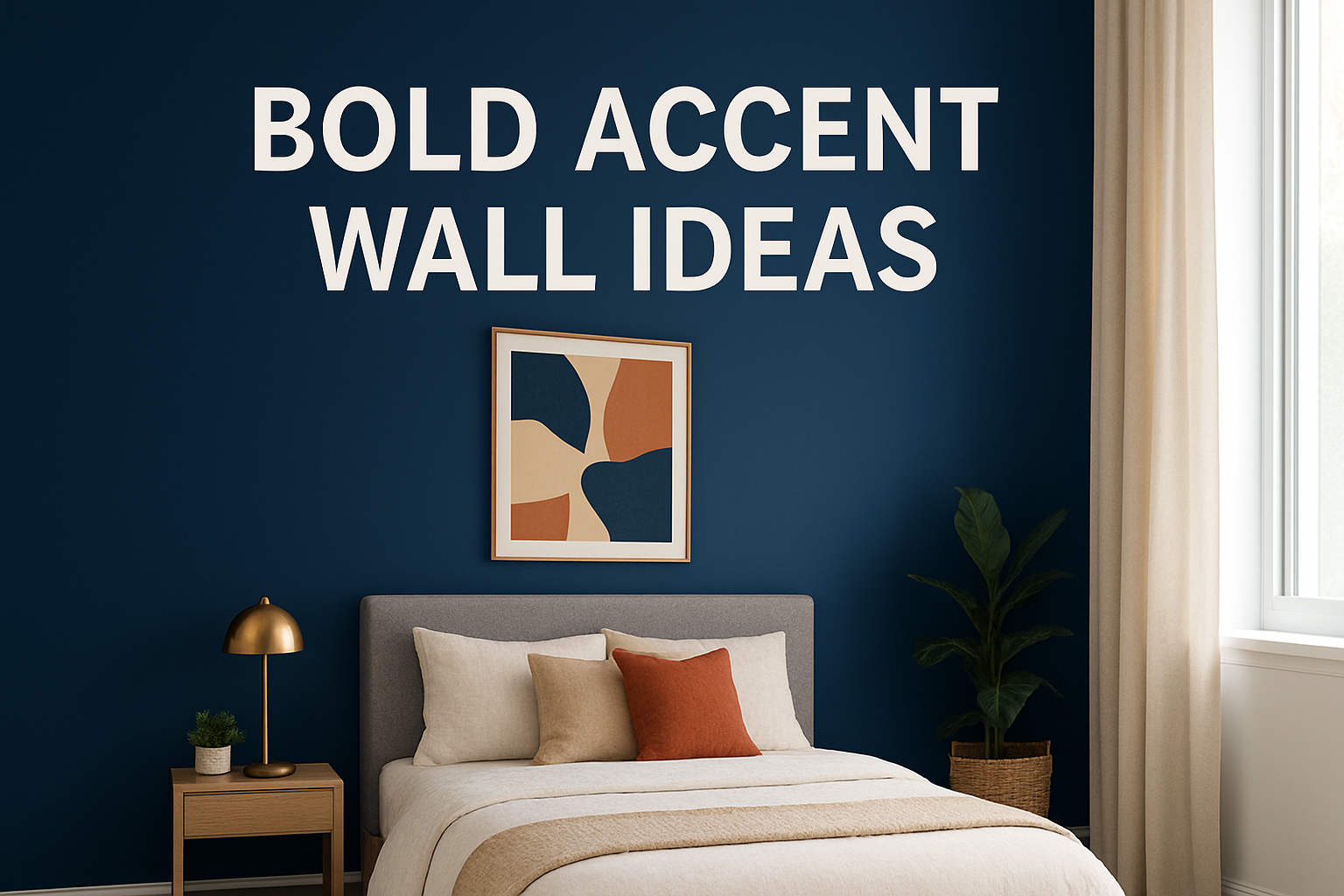
For homeowners seeking drama and personality, bold accent walls are an excellent choice. Accent walls allow for experimentation with deep, striking colours without overwhelming an entire room.
- Deep Navy: This sophisticated shade works beautifully in bedrooms or living rooms, providing a moody, luxurious feel. Navy pairs well with neutral furnishings and gold or brass accents.
- Charcoal and Dark Greys: Dark greys are modern, elegant, and versatile. Use them behind beds, sofas, or artwork to create a focal point that adds depth and dimension to a space.
- Forest Green: This earthy, deep green brings a natural, calming effect, particularly in studies, libraries, or feature walls in living rooms.
When incorporating bold accent walls, it’s important to balance them with neutral surroundings to prevent a space from feeling confined or visually overwhelming. Pairing deep accent colours with light ceilings, trims, or flooring creates contrast and maintains a sense of openness.
DIY Tips for Choosing Your Palette
Selecting the perfect colour palette for your home can feel overwhelming, but with a few DIY strategies, you can make informed decisions that enhance your space’s aesthetic and functionality. Whether you’re repainting a single room or your entire home, understanding colour theory, testing options, and coordinating with décor are essential steps.
Start with a Colour Wheel
A colour wheel is a simple yet powerful tool for creating visually appealing combinations. By understanding relationships between colours, you can avoid clashes and develop harmony throughout your home. Common colour schemes include:
- Complementary: Colours opposite each other on the wheel, such as blue and orange, create vibrant contrast while maintaining balance.
- Analogous: Colours next to each other, like soft blue, teal, and green, offer a harmonious, calming effect.
- Triadic: Three colours evenly spaced on the wheel, such as yellow, red, and blue, create a lively, balanced palette.
Using a colour wheel helps you visualise combinations and gives confidence when pairing bold accent walls with neutral tones.
Testing Colours at Home
Before committing to large quantities of paint, always test colours in your own space. Apply small swatches to different walls and observe how they look at various times of the day. Natural light, artificial lighting, and even the direction your windows face can change how a colour appears.
- Test multiple areas in each room to account for light differences.
- Use larger sample patches to better imagine the final look.
- Observe colours both during the day and at night for consistency.
Combining Colours with Décor
Your paint colours should complement your furniture, rugs, curtains, and accessories. Neutral walls allow flexibility with décor, while accent walls or bold hues can highlight statement pieces. Avoid overloading rooms with clashing colours or overly complex patterns. Strive for balance, ensuring that walls enhance, rather than compete with, furnishings.
Using Colour Psychology in Your Home
Colours affect mood and energy. Selecting shades with intention can improve both the atmosphere and functionality of each room:
- Calm and Relaxing: Soft blues and muted greens are ideal for bedrooms or meditation spaces.
- Energetic and Stimulating: Warm yellows, oranges, and reds work well in kitchens, playrooms, or creative areas.
- Neutral & Timeless: Beige, taupe, and warm greys create versatile, sophisticated spaces suitable for living areas, hallways, and resale appeal.
By combining colour theory, careful testing, décor coordination, and psychological insights, you can confidently select a palette that suits your home, lifestyle, and personal style. For step-by-step guidance on applying your chosen colours with professional results, refer to DIY Interior Painting: Step-by-Step Guide.
Special Considerations for Different Spaces
When selecting house colour ideas, it’s important to consider the function, size, and lighting of each room. Different spaces respond uniquely to colours, finishes, and contrast, so tailoring your palette can dramatically improve the overall look and feel of your home.
Small Room Colour Ideas
In smaller rooms, light, neutral shades are key to creating a sense of openness and airiness. Soft whites, pale greys, and muted pastels reflect light and make walls appear farther apart, giving the illusion of a larger space. To enhance height, consider painting the ceiling a lighter shade than the walls or introducing vertical stripes. Avoid very dark or intense colours, as they can make compact rooms feel cramped and enclosed. Accents like mirrors, light-coloured furniture, and consistent flooring can further amplify the perception of space.
Large Rooms and Open-Plan Spaces
For larger rooms or open-plan areas, using a single colour throughout can feel monotonous. Breaking up space with accent walls, partial colour zones, or subtle contrasting shades can create warmth and intimacy. Soft transitions between colours also help define different functional areas, such as a dining nook versus a living zone, while maintaining visual cohesion.
Ceilings, Trims, and Doors
Ceilings, trims, and doors offer opportunities to highlight architectural features. Contrasting colours for trims can define edges and details, while matching shades create a seamless look. For practicality, gloss or semi-gloss finishes are recommended on doors and trims because they are easier to clean and more durable.
By considering the unique characteristics of each room, you can select house colour ideas that enhance both the style and functionality of your home.
Eco-Friendly and Low-VOC Paint Options
Benefits of Low-VOC Paints
Low-VOC paints reduce harmful emissions, improving indoor air quality. Ideal for families, children, and allergy-sensitive individuals, these paints are safer while offering excellent coverage.
Popular Brands in Australia
- Dulux UltraAir
- Haymes Pure
- Taubmans Endure
These eco-friendly options comply with Australian Standards (AS/NZS 2311) and are widely available in retail stores and online.
Common Mistakes to Avoid When Choosing Colours
Choosing the right house colour ideas can transform a home, but many homeowners make avoidable mistakes that compromise the final look. Being aware of these common pitfalls will save time, money, and frustration.
Relying Solely on Trends
Trendy colours can be exciting, but they may not suit your space, lighting, or long-term style preferences. Before committing, test swatches in your actual rooms. Trends fade quickly, whereas neutral or versatile palettes provide timeless appeal and better resale value.
Ignoring Lighting and Room Orientation
Natural and artificial lighting dramatically affect how a colour appears. North-facing rooms may appear cooler, while south-facing spaces can feel darker. Overlooking this can lead to colours looking very different than expected. Test paint samples at different times of the day to see how the light impacts the shade.
Overloading with Bold Colours
Using too many strong colours in one room can feel chaotic and overwhelming. Bold accent walls work best when paired with neutral backgrounds. Balance is key: one or two statement colours combined with softer tones will create a cohesive, stylish space.
Skipping Surface Preparation
Even the perfect colour can look subpar if walls aren’t prepared properly. Failing to clean, sand, fill cracks, or apply primer can result in uneven coverage, peeling, or premature wear. For a flawless finish, proper preparation is essential.
By avoiding these mistakes, you can confidently choose colours that enhance your home’s style, improve its ambience, and ensure a long-lasting, professional-looking finish.
FAQ / People Also Ask
Q: How do I choose the best colour palette for my home?
A: Start with your lifestyle needs, room function, natural light, and existing décor. Test swatches before committing.
Q: What are the most popular house colours in Australia?
A: Neutral tones, coastal whites, warm greys, and earthy shades dominate Australian trends.
Q: Can I mix bold colours with neutrals successfully?
A: Yes! Use bold tones on accent walls or small features and balance with neutral surroundings.
Q: How do I test paint colours before committing?
A: Apply sample swatches on different walls, observe at various times of day, and check with furnishings.
Q: Which rooms benefit most from accent walls?
A: Living rooms, bedrooms, and hallways are ideal for accent walls. Avoid using multiple bold colours in small spaces.
Q: Are low-VOC paints worth it for DIY projects?
A: Absolutely—they improve indoor air quality, reduce odour, and are safer for families and pets.
Q: How do I make small rooms look larger with paint?
A: Use light, neutral colours, paint ceilings slightly lighter than walls, and keep trim subtle.
Conclusion: Bring Your Home to Life with the Right Colours
Learning how to paint your home interior is more than a weekend project—it’s an investment in comfort, style, and property value. From preparation to the final coat, each step shapes the outcome. Remember to prep thoroughly, apply at least two coats, and match finishes to each room for durability and design impact.
If you’re still deciding on the right shades, explore our guide on [house colour ideas] for deeper inspiration. For additional expert advice, check out these high-authority resources:
Your walls are your canvas—choose wisely, and you’ll transform your interiors into spaces that feel fresh, timeless, and uniquely yours.