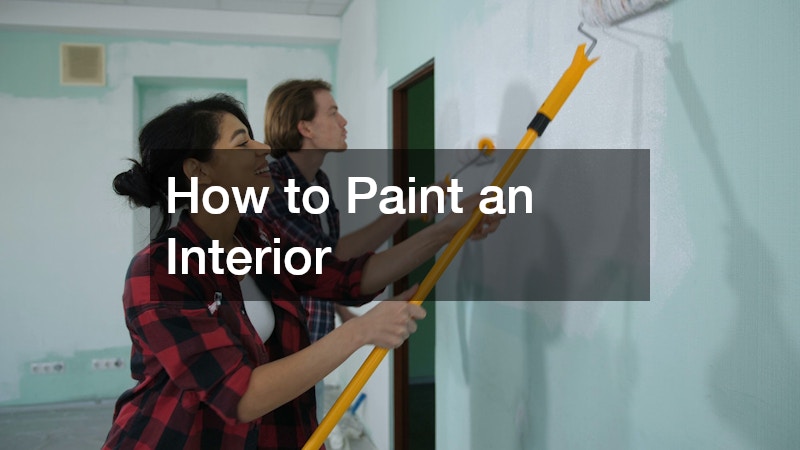

- Plan first: Choose colours, finishes, and set a budget before buying supplies.
- Gather tools: Brushes, rollers, drop sheets, tape, and safety gear are essential.
- Prep the space: Move or cover furniture, clean and repair walls, tape edges.
- Work top to bottom: Paint ceilings first, then walls, then trims/doors/windows.
- Cut in before rolling: Use a brush along edges and corners for neat results.
- Apply two coats: Ensures even coverage, durability, and vibrant colour.
- Drying time matters: Allow 2–6 hours between coats depending on climate.
- Choose eco-friendly paints: Low-VOC paints are healthier and better for Aussie homes.
- Avoid rookie mistakes: Skipping primer, cheap brushes, painting in humidity.
Transform Your Home with a Fresh Coat of Paint
Tired of looking at the same dull, lifeless walls? Did you know you can completely transform a room for under $200 and a weekend’s work? Painting the interior of your home is one of the most cost-effective ways to refresh your space, modernise outdated rooms, and even boost your property’s market value.
In Australia, where labour costs are high, hiring professional painters can be expensive. According to Hipages 2025 data, interior painting rates range from $20–$60 per square metre, meaning painting a standard 3-bedroom home could cost upwards of $7,000. By learning how to paint a house interior yourself, you can reduce this to just the cost of paint and supplies — often $500–$1,500, depending on the brand and finish.
Of course, painting isn’t just about technique — choosing the right house colour ideas is just as important. Studies show that 65% of homeowners say colour selection has the biggest impact on how satisfied they feel with their space after a renovation. The right palette can make rooms feel bigger, brighter, and more welcoming.
DIY painting also comes with additional perks:
-
Creative control: Choose colours, textures, and finishes that truly reflect your style.
-
Flexibility: Paint one room at a time, at your own pace.
-
Satisfaction: Enjoy the pride of transforming your space with your own hands.
This complete step-by-step guide is tailored for Australian homeowners — from beginners picking up a roller for the first time to seasoned DIY enthusiasts. You’ll learn how to plan, prep, and paint effectively, select the right tools and materials, avoid common mistakes (like painting in high humidity), and finish with a professional look.
By the end, you’ll feel confident tackling any room, colour scheme, or finish — and achieving stunning results that last.
Planning Your Interior Painting Project
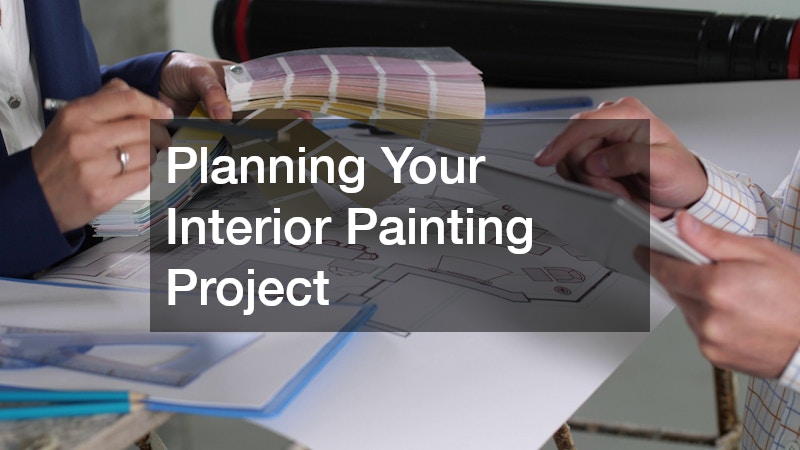
Setting Clear Goals & Budget
Before you start painting, define your goals:
- Refresh: Are you repainting in the same colour for a clean look?
- Transform: Are you shifting from beige to bold navy or crisp white walls?
- Resale boost: Are you painting neutral tones to appeal to buyers?
Costs will vary depending on paint type and tools:
- DIY cost per room: ~$100–$250 (including paint, rollers, tape, filler).
- DIY cost per whole house: ~$500–$1,500 (3–4 bedrooms).
- Professional cost in Australia: $7,000–$12,000 (for the same house).
Having a budget also helps you decide between premium paints (Dulux, Taubmans, Wattyl) vs budget-friendly alternatives (British Paints, Bunnings in-house brands).
Understanding Different Paint Types
Not all paints are equal — your choice affects durability, finish, and indoor air quality.
| Paint Type | Best For | Pros | Cons | Example Uses |
|---|---|---|---|---|
| Water-Based (Acrylic/Latex) | Walls, ceilings, general interiors | – Fast drying – Easy cleanup with water – Low odour | – Less durable than oil-based – May need more coats | Bedrooms, living rooms, hallways |
| Oil-Based (Alkyd) | Trims, doors, windows | – Very durable – Smooth finish – Resistant to wear | – Strong odour – Longer drying time – Cleanup with turps | Doors, skirting boards, window frames |
| Low-VOC & Eco-Friendly | Family homes, kids’ rooms, allergy-sensitive spaces | – Healthier indoor air quality – Low odour – Environmentally friendly | – Higher cost – May have limited finish options | Nurseries, bedrooms, living areas |
Choosing the Right Colours for Interiors
The colours you choose for your interiors shape the mood, space, and overall style of your home
- Light neutrals: Expand space, reflect natural light (great for apartments).
- Bold accent walls: Add drama and personality to a room.
- Warm tones: Cosy, inviting feel for living areas.
- Cool tones: Calm, refreshing vibe for bedrooms.
👉Explore our full guide on house colour ideas for more detailed inspiration”
Paint Finish Types and Their Uses
| Finish Type | Appearance | Durability | Best For |
|---|---|---|---|
| Matte/Flat | Non-reflective, smooth look | Hides imperfections but less washable | Bedrooms, ceilings, low-traffic areas |
| Eggshell | Soft, low sheen | More durable than matte | Living rooms, dining rooms |
| Satin | Slight sheen, smooth feel | Easy to clean, resists moisture | Kitchens, hallways, bathrooms |
| Semi-Gloss | Noticeable shine | Very durable, easy to wipe | Doors, trims, windows, high-moisture areas |
| Gloss/High-Gloss | Shiny, reflective finish | Extremely durable but highlights imperfections |
Calculating Paint Quantities
Running out of paint halfway through is a DIY nightmare.
- Coverage rule: 1 litre covers ~12–16 m² (1 coat).
- Room estimate: A standard bedroom (~12 m² walls) needs about 2 × 4L cans for two coats.
- Ceiling paint: Separate flat white ceiling paint is recommended.
- Trim & doors: Use semi-gloss or gloss paint (1L usually covers 2–3 doors).
Always round up — leftover paint is essential for touch-ups later.
Tools and Materials You’ll Need
Rollers
- Medium nap roller (10–12mm) for walls and textured surfaces
- Short nap roller (4–6mm) for smooth walls, doors, and cabinets
- Mini roller for tight spaces or small walls
Brushes
- 50mm angled brush for cutting in along edges and corners
- Fine detail brush for trims, moldings, and intricate areas
- Small round brush for touch-ups and corners
Paint Trays & Accessories
- Paint trays for roller use
- Disposable tray liners for easy cleanup
- Paint grid (for large paint buckets)
Extension & Reach Tools
- Extension pole for ceilings and high walls
- Step ladder or small stool for elevated areas
Surface Protection
- Drop sheets: Cloth (absorbent) or plastic (economical)
- Painter’s tape for clean edges
- Masking paper or cardboard for extra protection on furniture
Cleaning & Maintenance
- Bucket with warm soapy water (for water-based paints)
- Turpentine or mineral spirits (for oil-based paints)
- Rags or paper towels
- Brush comb or wire brush for cleaning bristles
Additional Essentials
- Stir sticks for mixing paint
- Sandpaper (medium/fine grit) for prepping surfaces
- Putty knife and filler for repairing holes or cracks
- Gloves to protect hands from paint
- Safety glasses to prevent splashes in eyes
- Small containers for leftover paint
This checklist ensures you have everything you need for a smooth, organized, and professional painting project, from preparation to cleanup.
Safety Gear
Goggles ✅
- Wear when painting ceilings or high areas.
- Protects eyes from drips, splatters, and dust.
Mask ✅
- Use when sanding or applying oil-based paints.
- Helps filter fumes and fine particles for safer breathing.
Gloves ✅
- Protect hands from paint, chemicals, and irritation.
- Makes cleanup easier and keeps skin stain-free.
Extra Tips:
- Ensure goggles fit snugly to prevent gaps.
- Choose a mask rated for paint fumes (respirator or N95).
- Use disposable gloves for short projects or reusable ones for longer jobs.
Tip: Always gear up before starting your painting project—prevention is better than dealing with irritation or accidents later!
Eco-Friendly & Low-Odour Paint Options
Australians are increasingly choosing low-VOC paints:
- Better air quality (important in summer when ventilation is limited).
- Reduced odour — great if kids or pets are around.
- Compliant with Australian Standards (AS/NZS 2311).
Prepping Your Room for a Flawless Finish
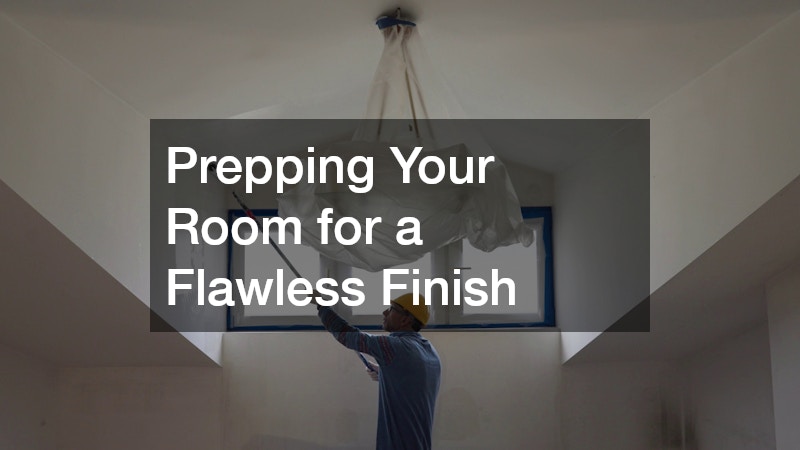
Clearing and Protecting Furniture
- Move furniture out if possible.
- Cover remaining items with drop sheets.
- Protect floors with heavy-duty drop cloths.
Cleaning and Repairing Walls
- Wash walls with sugar soap.
- Fill cracks and holes with spackling compound.
- Sand smooth with fine-grit sandpaper.
- Apply primer if:
- Covering dark colours with light paint.
- Painting new plasterboard.
- Painting over glossy finishes.
Taping and Edging for a Professional Finish
- Apply painter’s tape to trims, skirting boards, and windows.
- Press edges firmly to prevent bleed.
- Remove tape while paint is slightly damp.
Step-by-Step Guide – How to Paint a House Interior
Painting the inside of your home is one of the most cost-effective ways to refresh its look. With the right preparation, tools, and techniques, you can achieve a professional-quality finish—even as a DIYer. Below is a complete breakdown of each stage with expert tips.
Step 1 – Stirring, Mixing, and Pouring Paint
Before picking up a brush, start with proper paint preparation. Paint pigments tend to separate when sitting on store shelves or in your garage.
- Stir thoroughly: Use a paint stirrer or drill attachment to mix pigments evenly. Stir from the bottom upwards for at least 2–3 minutes.
- Mix multiple cans (boxing paint): If you’re painting a large area, combine all cans of the same colour in a large bucket to avoid shade inconsistencies.
- Pour into a tray: Always pour paint into a roller tray instead of dipping directly into the can—this prevents contamination and accidental spills.
👉 Pro Tip: If you need to pause mid-project, cover trays with cling wrap or foil to keep the paint from drying out overnight.
Step 2 – Cutting in Edges and Corners
Cutting in is the process of painting areas a roller can’t reach.
- Use the right brush: A 50mm (2-inch) angled sash brush works best for sharp lines.
- Cut in carefully: Paint along ceilings, skirting boards, around windows, and in tight corners. Work in 1–2 metre sections.
- Keep edges wet: Roll the adjacent wall immediately after cutting in so brush and roller strokes blend seamlessly.
👉 Pro Tip: Rest your painting hand lightly against the wall for control. If nervous about straight lines, painter’s tape can help—but remove it while the paint is still slightly wet to avoid peeling.
Step 3 – Painting Ceilings First
Always begin with ceilings. This way, any drips or roller splatters can be painted over when you tackle the walls.
- Choose ceiling paint: Flat white ceiling paint helps hide imperfections and brightens the room.
- Use a roller with extension pole: This saves time, prevents ladder fatigue, and keeps your strokes consistent.
- Apply correctly: Work in overlapping “M” or “W” patterns. Start in one corner and roll across in sections of about 1–2 square metres.
👉 Pro Tip: Avoid pressing too hard—this can cause roller marks. Let the roller glide smoothly for an even finish.
Step 4 – Rolling the Walls
Rolling is where your walls truly come to life.
- Load your roller properly: Dip the roller into the tray, then roll it back and forth to remove excess paint.
- Apply in “W” or “M” strokes: This distributes paint evenly, reducing streaks. Fill in the gaps with vertical strokes.
- Maintain a wet edge: Work one wall at a time so new strokes blend into still-wet paint.
👉 Pro Tip: For best coverage, roll from top to bottom, overlapping each pass slightly. Don’t overwork the roller—multiple light coats beat one thick coat.
Step 5 – Applying Second Coat
One coat is rarely enough for a polished, professional finish.
- Drying time matters: Wait 2–6 hours (depending on paint type and climate) before applying a second coat. Check the tin for exact times.
- Sand lightly between coats: A quick pass with fine-grit sandpaper removes imperfections for a smoother finish.
- Uniform coverage: The second coat deepens colour and ensures consistency across all walls.
👉 Pro Tip: If painting over a dark colour, a tinted primer may reduce the need for multiple coats.
Step 6 – Painting Trim, Doors, and Windows
These finishing touches give your interior a crisp, professional edge.
- Switch paint type: Use semi-gloss or gloss paint for trim, doors, and windows. They’re more durable and easier to wipe clean.
- Brush size: Use smaller brushes (25–50mm) for detail work, especially on window sashes and door frames.
- Technique for doors: Paint panels first, then work on the horizontal and vertical edges with long strokes.
👉 Pro Tip: Place painter’s tape along wall edges before painting trim for sharper lines. Peel off the tape while the paint is still tacky to avoid tearing.
Step 7 – Handling Touch-Ups and Missed Spots
Even the best painters need touch-ups.
- Keep leftover paint: Label tins or small jars with the colour, brand, and room name. This makes future repairs hassle-free.
- Spot repairs: Use artist brushes for tiny blemishes, nail holes, or scratches. Blend carefully into existing paint.
- Final inspection: Walk through the room in natural daylight and artificial light—missed spots often show up differently under varying conditions.
👉 Pro Tip: Store leftover paint in a cool, dry place. For long-term storage, add a thin layer of plastic wrap directly over the paint surface before sealing the can—this prevents skinning.
✅ By following this step-by-step process with patience and attention to detail, you’ll achieve a smooth, professional-looking interior paint job that enhances your home’s style and value.
The Final Stretch: Nailing the Drying, Finishing, and Clean-Up
Understanding paint drying times is crucial to achieving a smooth, professional finish on your interior walls. After applying paint, it first reaches a “touch dry” stage, usually within 2–4 hours for most water-based paints. At this point, the surface feels dry to the touch, but it is not yet ready for additional coats or heavy contact.
For a recoat, wait approximately 4–6 hours. This ensures the first layer has set enough to avoid smudging or lifting when the second coat is applied. Applying additional coats too soon can result in uneven coverage, streaks, or peeling, compromising the overall finish.
Full curing, where the paint reaches its maximum hardness and durability, takes significantly longer—typically 7–14 days. During this period, avoid heavy cleaning, scrubbing, or placing furniture against freshly painted walls to prevent marks and dents.
In regions with higher humidity, such as Queensland (QLD) and Northern Territory (NT), drying and curing times may be extended. Humid air slows moisture evaporation from the paint, so it’s wise to allow extra time before recoating or handling surfaces. Using fans or dehumidifiers indoors can help speed up drying in these conditions.
By following these timelines and adjusting for local climate, you can ensure a flawless, long-lasting finish and avoid common pitfalls like streaks, bubbles, or peeling paint.
Cleaning Brushes, Rollers, and Tools

Proper cleaning of your painting tools is essential to maintain their longevity and ensure smooth application in future projects. The cleaning method depends on the type of paint you’ve used. For water-based paints, such as acrylic or latex, start by rinsing brushes and rollers under warm water. Work the bristles or roller fibers with your fingers to remove as much paint as possible. Next, wash them thoroughly with mild soapy water, gently scrubbing to remove remaining residue. Rinse until the water runs clear, then shake off excess water and reshape the bristles or roller nap before drying.
For oil-based paints, cleaning requires stronger solvents. Begin by wiping off excess paint with a rag, then use turpentine or mineral spirits to clean brushes and rollers. Pour a small amount of turps into a container and swirl your tools until the paint is dissolved. Follow this with a wash in warm soapy water to remove any lingering solvent, then rinse and reshape your brushes or rollers.
If you plan to continue painting the next day, there’s no need to clean tools completely. Wrap brushes or rollers tightly in plastic wrap or place them in a sealed plastic bag to prevent the paint from drying. This keeps your tools ready for immediate use and saves time on cleanup.
Maintaining clean, well-cared-for tools not only makes painting easier but also improves the quality of your finish. Investing a few extra minutes in proper cleaning and storage ensures that your brushes, rollers, and other painting tools remain in excellent condition for many projects to come.
Removing Painter’s Tape Correctly
Removing painter’s tape properly is key to achieving crisp, clean lines in your interior painting project. The best approach is to remove the tape while the paint is still slightly damp. This prevents the paint from peeling off with the tape and ensures a sharp, professional-looking edge. To do this, gently pull the tape back on itself at a 45-degree angle, keeping a steady, slow motion. This technique minimizes the risk of smudging or tearing the paint.
If the paint has dried completely, don’t panic. You can still achieve clean edges by scoring along the tape line with a utility knife or blade before peeling. Lightly run the blade along the edge where the tape meets the wall, cutting through any paint film that may have formed. Once scored, carefully peel the tape back at an angle to avoid lifting dried paint.
For extra protection, avoid pulling the tape too quickly or straight up, as this can cause jagged lines or chips. Also, consider using high-quality painter’s tape, which adheres well without leaving residue and is designed specifically for clean removal. Following these steps ensures your painted edges look professional, crisp, and flawless, giving your interior a polished finish.
Safe Paint Disposal
Proper disposal of paint is essential to protect the environment and prevent hazards in your home. Never pour paint down drains, toilets, or stormwater systems, as this can contaminate waterways, harm wildlife, and violate local regulations. Water-based paints are often seen as less harmful, but even these can create environmental issues if not disposed of correctly. Oil-based paints are more toxic and require extra caution during disposal.
One of the easiest and safest ways to dispose of leftover paint is through Paintback Australia, which operates nationwide drop-off points. Paintback accepts both water-based and oil-based paints, as well as empty cans, helping you recycle responsibly. To find the nearest drop-off location, visit their website and check the list of approved collection points.
If you have only a small amount of leftover paint, consider storing it for future touch-ups. Ensure the lid is sealed tightly to prevent drying and store the can in a cool, dry place away from direct sunlight. Label the can with the date and the room it was used in for easy identification later.
For larger quantities that cannot be reused, check your local council’s hazardous waste collection services. Many councils hold community chemical collection days where residents can safely dispose of leftover paint, solvents, and other chemicals.
By following these practices, you not only protect the environment but also keep your home safe from accidental spills and chemical exposure. Responsible disposal and storage of paint is a small but important step in completing your interior painting project safely.
Common Mistakes to Avoid
- Skipping primer — leads to patchy finish.
- Overloading the roller — causes drips and streaks.
- Not preparing walls properly — dirt ruins adhesion.
- Using cheap brushes — leaves streaks and bristles.
- Painting in high humidity — slows drying and affects finish.
Frequently Asked Questions About Painting Interiors
Q: What is the best order to paint a room?
A: The recommended order is to start with the ceiling, move on to the walls, and finish with the trims, doors, and windows. This sequence helps prevent drips or roller splatter from ruining freshly painted areas and ensures a neat, professional finish.
Q: Should I paint trim or walls first?
A: It’s generally best to paint the walls first, followed by the trims. Doing so makes it easier to achieve crisp, sharp lines with painter’s tape when you go back and finish trims, doors, and skirting boards.
Q: How do I avoid streaks when painting walls?
A: To avoid streaks, always keep a wet edge and avoid over-rolling once the paint begins to dry. Work in small sections, use high-quality rollers, and ensure the surface is clean and primed before painting. These simple techniques can make your interior walls look smooth and even.
Q: What finish is best for different rooms?
A: The right paint finish depends on the room’s use:
-
Matte/Flat: Best for ceilings and bedrooms where you want to hide imperfections.
-
Eggshell or Satin: Perfect for living rooms and dining rooms because they balance durability with a subtle sheen.
-
Semi-gloss: Ideal for high-moisture areas like kitchens, bathrooms, and trims, since it’s easy to wipe down.
👉 For a detailed breakdown, see our Paint Finish Types and Their Uses section.
Q: How long should I wait between coats?
A: Most paints require a drying time of 4–6 hours between coats, though this can vary based on the paint type, humidity, and climate conditions in Australia. Always check the manufacturer’s instructions on the paint tin for best results.
Q: Do I need primer on already painted walls?
A: You only need a primer if the existing walls are glossy, stained, or you’re painting over a dark colour with a much lighter shade. In other cases, a simple clean and light sanding will prepare the surface for a fresh coat.
Q: How much does it cost to paint a room DIY in Australia?
A: On average, painting a standard bedroom yourself costs between $100–$250, covering paint, brushes, rollers, and drop sheets. Hiring a professional painter, however, can cost anywhere from $700 to $1,200 per room, depending on size and prep work required. According to a 2023 Houzz Australia survey, more than 60% of homeowners budget between $1,000–$5,000 for interior painting projects, showing how DIY can save significantly. 👉 For more budgeting tips, check out our guide on affordable home renovation costs in Australia (link to cluster).
Conclusion
Learning how to paint a house interior is a skill that delivers long-term value. By following a structured process—from preparation to the final coat—you’ll save money, increase comfort, and boost the overall value of your home.
Remember: preparation is just as important as painting. Take time to patch, sand, and tape before picking up the roller. Apply at least two coats, match the right finishes to each room, and allow proper drying times for a professional-looking result.
Paint is more than colour; it sets the mood and style of your entire home. If you’re still deciding, explore our full guide on house colour ideas for inspiration before you start. For expert insights, check out resources like Dulux Australia’s painting tips, Houzz Australia’s interior design trends, and The Spruce’s step-by-step painting guide.
With patience, the right tools, and these proven steps, you’ll be surprised at how rewarding DIY interior painting can be.